Learning to See Beyond the First Glance
2 min read
userRole
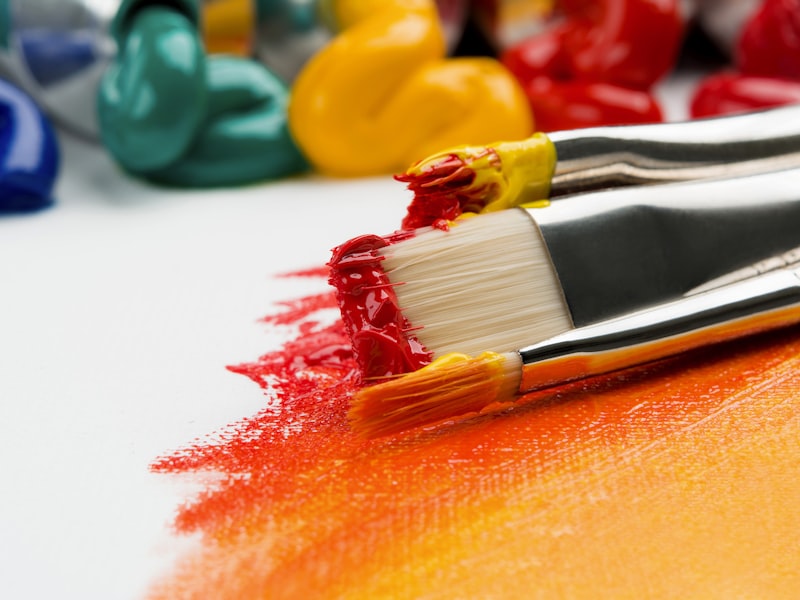
Most of us encounter visual art in passing: a mural glimpsed from a car window, a framed print in a lobby, a painting scrolled past between emails. In those fragments, it’s easy to treat images as decoration—pleasant, clever, maybe impressive, but rarely demanding. Yet, when we choose to stand still in front of a work of art, something shifts. We start to notice decisions: the way color pulls our eye, the tension between sharp lines and blurred edges, the expression that doesn’t quite match the scene. Visual art is, at its core, a record of choices. Every stroke, photograph, or collage element is a small answer to a bigger question: What do I see, and how can I show it so that you might see it too?
Learning to look at art with patience changes how we look at everything else. We begin to recognize composition in the world around us—the way light falls across a building at dusk, the pattern of faces on a crowded train, the accidental symmetry of objects on a desk. Galleries and museums then become less like quiet warehouses and more like training grounds for perception. The more we practice, the more we understand that images are never neutral; they frame, emphasize, and omit. Visual art helps us become aware of those frames, both in curated spaces and in the everyday flood of photos and videos. In doing so, it gives us back a measure of agency. We are no longer just consuming images; we are choosing how to see.