Education as a Practice of Learning How to Learn
2 min read
userRole
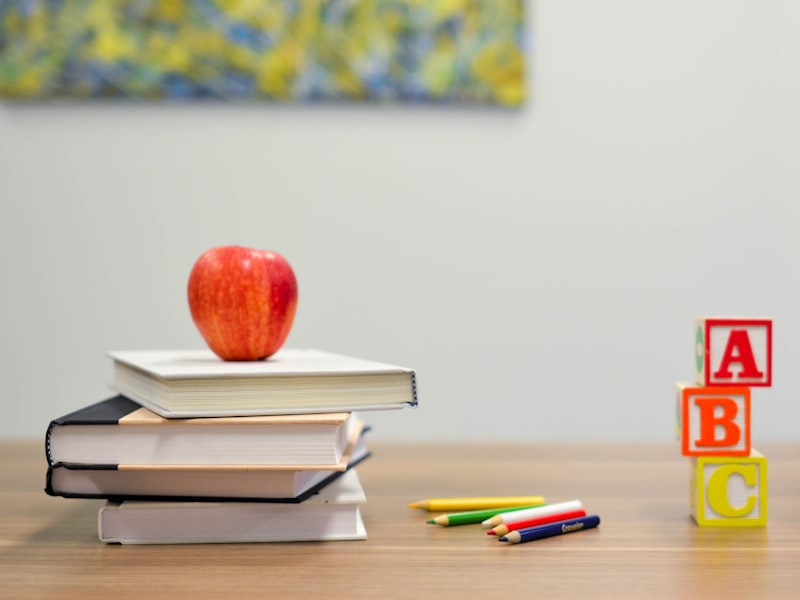
We often talk about education as if it were a checklist: finish school, earn a degree, collect a certification, and you are “educated.” But the real value of education is not a piece of paper; it is the slow development of a habit—learning how to learn. Facts change, industries shift, and tools evolve, but the ability to ask good questions, evaluate sources, and adapt your thinking is durable. Education at its best does not just transfer information from teacher to student; it invites the student into the process of making sense of the world. That might look like designing an experiment instead of just memorizing the results, debating interpretations of a text instead of reciting its plot, or building a project that forces you to apply concepts across multiple subjects.
In a world where information is abundant, the scarcity is in attention and discernment. Education helps us decide what to focus on and how to judge whether something is trustworthy. It trains us to hold competing ideas in mind without immediately collapsing into certainty or cynicism. This is not only useful in academic settings; it shapes how we navigate news, social media, workplace dynamics, and personal relationships. When we see education as a lifelong practice rather than a phase that ends at graduation, we give ourselves permission to keep evolving. We can return to foundational skills we skimmed over years ago, explore new fields, and deliberately rebuild our understanding as the world changes around us.