Exploring the World Through Its Everyday Dishes
2 min read
adminRole
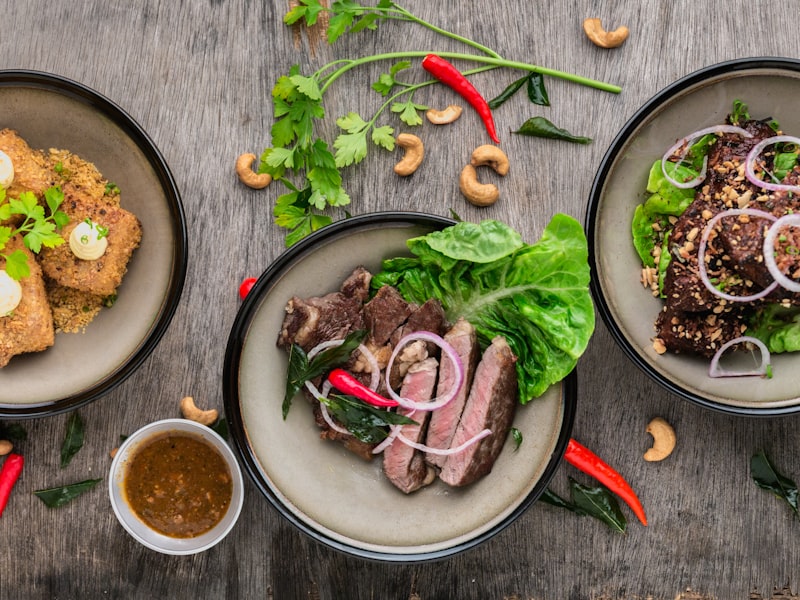
World cuisines are often introduced through their most iconic dishes—sushi for Japan, pasta for Italy, tacos for Mexico. While these classics are worth knowing, the real character of a cuisine often lives in everyday meals: the soups people make on weeknights, the breakfasts they grew up with, the snacks sold on street corners. Exploring these foods is a way of learning how different cultures answer the same basic questions: How do we make use of what grows here? How do we preserve food for lean seasons? How do we turn limited ingredients into something comforting or celebratory? Each cuisine is a record of geography, history, trade, and migration, written in spices and techniques instead of ink.
Cooking dishes from other cultures requires respect as well as curiosity. Authenticity is a moving target, shaped by region, family traditions, and personal taste, but it is worth taking time to understand the foundations: which ingredients are essential, which techniques matter most, and what role a dish plays in its original context. Learning even a few recipes from a cuisine—properly toasting spices for an Indian dal, balancing sweet, sour, salty, and spicy elements in a Thai salad, or building flavor in a West African stew—can deepen your appreciation far beyond what a restaurant menu can provide. Over time, your kitchen becomes a place where borders blur in a tangible way, and where “trying something new” means not just novelty, but a small act of connection with lives lived differently from your own.